
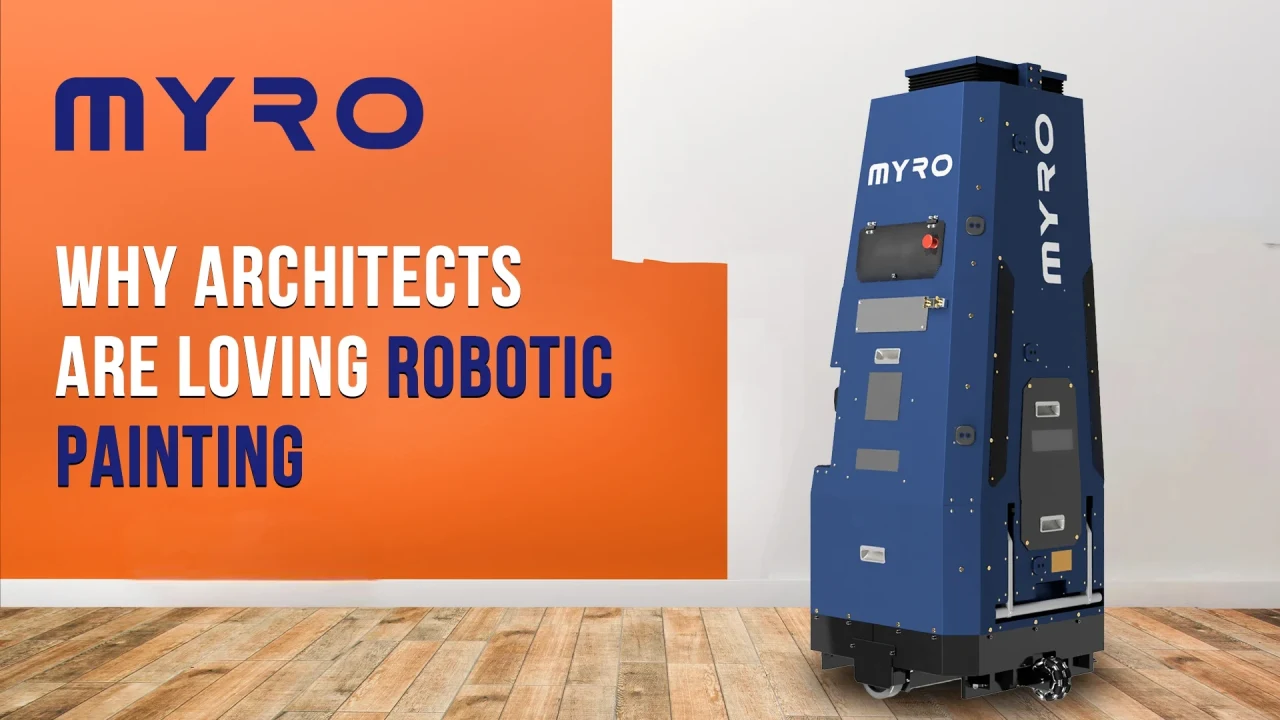

Architects are visionaries; every line drawn and every material chosen is intentional. But even the most brilliant design can be compromised if the final finish falls short. A single streak, shade variation, or uneven coat can disrupt the harmony of a space and dilute the overall impact.
That’s why architects around the world are embracing robotic painting. Far from being just a contractor’s convenience, it’s becoming an essential tool for ensuring design integrity, consistency, and sustainability—whether for luxury homes in Europe, commercial towers in Asia, or cultural landmarks in the Americas.
1. Preserving Design Integrity
In manual painting, even skilled crews can struggle with complete uniformity, especially on expansive walls. Robotic painting systems, such as MYRO, utilise precision-controlled spray technology and advanced sensors to ensure perfectly even coverage across every surface. This means the architect’s vision is preserved exactly as intended, from the first room to the last.
2. Consistency at Scale
Large-scale projects, such as hotels, office complexes, and residential towers, often require identical finishes across hundreds of spaces. Maintaining this level of consistency manually can be challenging and time-consuming. Robotic painting ensures that every surface meets the same quality benchmark, eliminating variation while accelerating project timelines.
3. Speed Without Sacrificing Quality
Deadlines are non-negotiable in global construction, especially as projects approach handover. Robotic painting enables rapid execution without compromising quality, freeing up more time for inspections, final detailing, and other critical tasks. The result? Timely delivery without compromising on craftsmanship.
4. Predictable Cost Control
Traditional painting often comes with hidden costs, including extra materials or unexpected rework. For architects and project managers, this unpredictability can strain budgets and client trust. Robotic painting ensures each wall receives the right amount of paint in the right way, reducing the risks of overruns and last-minute corrections. For architects, this means greater confidence when presenting cost commitments, knowing that painting won’t become a hidden liability in the project.
5. Sustainable by Design
Clients worldwide are demanding greener building practices. Robotic painting uses the exact amount of paint required - minimising overspray, reducing waste, and lowering VOC emissions. This not only supports sustainability goals but also aligns with global green building certifications and standards.
Conclusion
Robotic painting is no longer just an innovation; it has become a creative ally for architects worldwide. By safeguarding design intent, delivering consistent quality, and reducing environmental impact, solutions like MYRO are bridging the gap between vision and reality.
For architects who want every detail to match their blueprint, robotic painting isn’t just the future; it’s the present.