
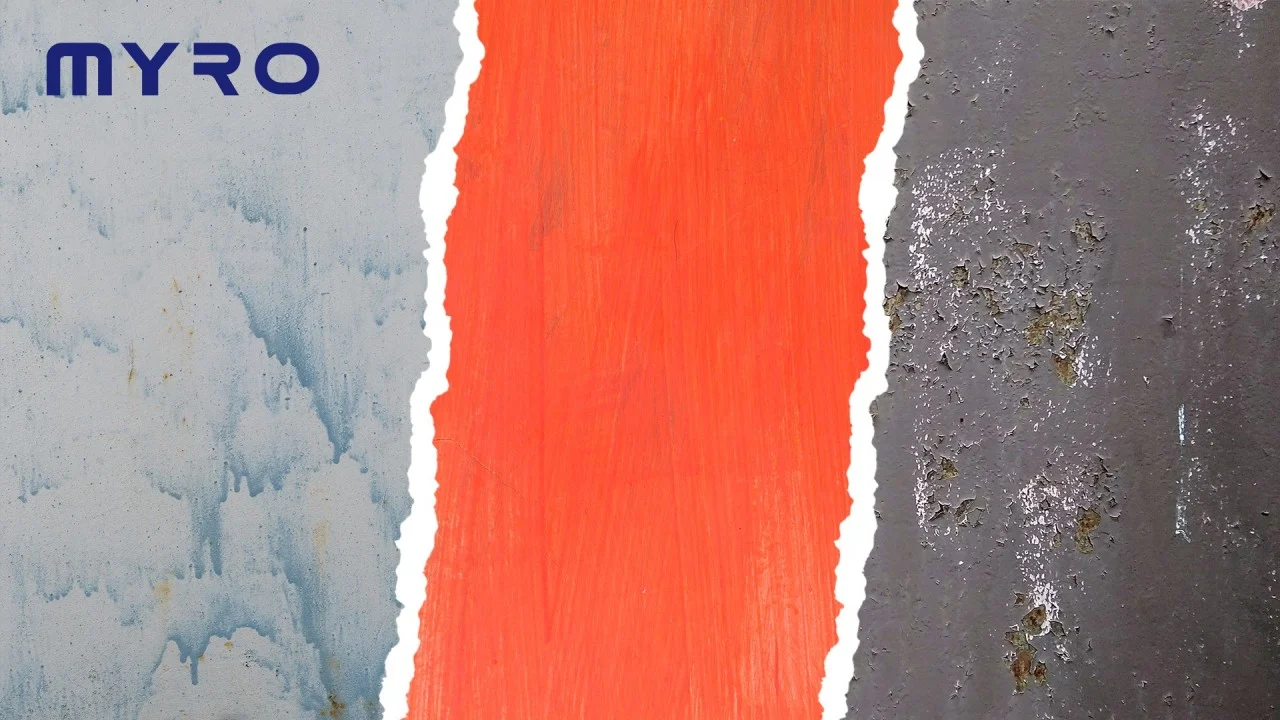

When paint fails prematurely, peeling, cracking, or showing uneven coverage, the instinct is to question the application technique or the paint quality itself. But experienced contractors know the real culprit often lies elsewhere, in decisions and conditions that were set in motion long before the first coat was applied.
Most wall painting problems don’t originate during painting. They originate in the preparation phase, or lack thereof. Understanding this changes how we approach construction finishing and explains why two projects using identical paint can produce dramatically different results.
Surface Preparation: Where Quality Is Won or Lost
Surface preparation is where paint finish quality is determined. Paint needs a clean, sound, properly textured surface to bond correctly. When surfaces aren’t adequately prepared, the paint has nothing to grip properly.
Common surface preparation issues include residual construction dust and debris, damaged or unrepaired surfaces such as drywall imperfections, and previous coatings or contaminants that prevent adhesion. Construction generates fine particulate that settles everywhere; even surfaces that appear clean often have a microscopic layer of dust that interferes with paint bonding.
The challenge is that thorough surface preparation takes time and doesn’t show immediate visible results. It’s easy to undervalue during planning, which makes it vulnerable when schedules tighten. But skipping or rushing this step virtually guarantees finishing problems later.
Moisture: The Silent Finish Killer
If there’s one factor that ruins more paint jobs than any other, it’s moisture in the substrate at the time of painting. This is particularly problematic in new construction, where wall assemblies may still contain residual humidity from wet trades.
Paint applied over surfaces with elevated moisture content traps that moisture within the substrate. As it tries to escape, it creates pressure behind the paint film, leading to bubbling, blistering, and eventual peeling. Moisture also affects how paint cures, resulting in finishes that don’t develop proper hardness or achieve their specified durability.
Wall moisture problems aren’t always obvious. Substrates can appear dry to the touch while still containing enough moisture to compromise paint adhesion. The pressure to maintain the schedule can lead to painting surfaces before they’re truly ready, almost always causing delays later when failures require remediation.
Primer Issues: Getting the Foundation Layer Wrong
Primer serves specific functions, sealing porous surfaces, providing uniform absorption, and creating a consistent base for finish coats. When the primer is wrong for the substrate or misapplied, these functions aren’t fulfilled.
Using the wrong primer type for the substrate, applying inadequate primer coverage, or insufficient dry time between coats all create problems that cascade through every subsequent coat. Some areas get properly sealed while others remain porous, causing finish coats to absorb unevenly and resulting in a patchy appearance and colour variations that no amount of finish coat application can correct.
The tendency is to view primer as a perfunctory step, but primer problems multiply rather than diminish as the finishing workflow progresses.
Environmental Conditions Shape Outcomes
Paint application isn’t just about technique and materials; it’s also about the environment in which it occurs. Temperature, humidity, airflow, and dust levels all influence how paint goes on and how it cures.
Temperature extremes prevent proper paint flow and curing. High humidity extends dry times and increases moisture-related problems. Active construction sites generate dust continuously, even if surfaces are cleaned before painting; dust settling on wet paint creates texture and adhesion issues.
Projects that control these factors, scheduling painting when conditions are appropriate, managing site temperature and humidity, and minimising dust, consistently achieve better outcomes.
Workflow Standardisation Prevents Compound Errors
Many construction finishing problems stem from inconsistent processes that allow minor variations to compound into visible issues. On large commercial projects with multiple crews, if different teams follow different surface prep procedures, use primers inconsistently, or work under varying standards, the finished result will show this variation.
Inconsistent surface prep procedures, variable dry times between coats, and different material handling all introduce unpredictability. The solution isn’t complicated: establish clear standards and ensure they’re followed consistently. In practice, on complex projects with schedule pressure, maintaining process consistency requires intentional effort.
How Preparation Problems Manifest as Paint Failures
The connection between pre-painting conditions and later failures isn’t always immediately apparent:
- Peeling paint typically indicates adhesion failure from inadequate cleaning, moisture in substrates, or poor primer selection
- Patchy coverage results from inconsistent substrate porosity due to insufficient priming
- Cracking develops when paint is applied over improperly cured previous coats
- Colour inconsistency comes from uneven primers or varying environmental conditions
- Premature wear in specific areas indicates localised preparation problems
These failures rarely appear immediately. They develop over weeks or months, and by the time problems become visible, remediation is expensive and disruptive.
Practical Steps for Better Outcomes
Improving wall painting preparation requires commitment to fundamentals:
Allocate adequate time for preparation. Rushed surface prep is the single most significant predictor of finishing problems. Build realistic schedules that account for cleaning, repairs, and proper dry times.
Verify readiness rather than assume it. Check that surfaces are clean, dry, and sound before priming. Verify that the primer has cured before applying finish coats.
Standardise processes across crews. Document preparation procedures and ensure everyone follows the same protocols regardless of which crew or shift they’re on.
Control environmental conditions when possible. Schedule painting during favourable conditions and minimise dust generation from other trades.
Invest in proper materials for each situation. Using the correct primer for the specific substrate matters more than economising on material costs.
None of these steps is novel; they represent standard practice in high-quality finishing work. The challenge is maintaining these standards consistently under real-world project pressures.
Building Better Standards
The message is simple: if you want better paint outcomes, focus on what happens before painting begins. The finish is just the visible manifestation of everything that preceded it.
This is part of what drives Myro’s approach to wall finishing. We’re focused on supporting construction teams in achieving consistent, high-quality outcomes through better standards at every stage, not just during application.
But the principles matter regardless of how the painting gets done. Thorough surface preparation, appropriate moisture management, correct primer selection, controlled environmental conditions, and standardised workflows are the fundamentals of construction finishing that determine whether paint performs as intended or fails prematurely.
Most wall painting problems start before the brush touches the wall. Which means most solutions begin there, too.