
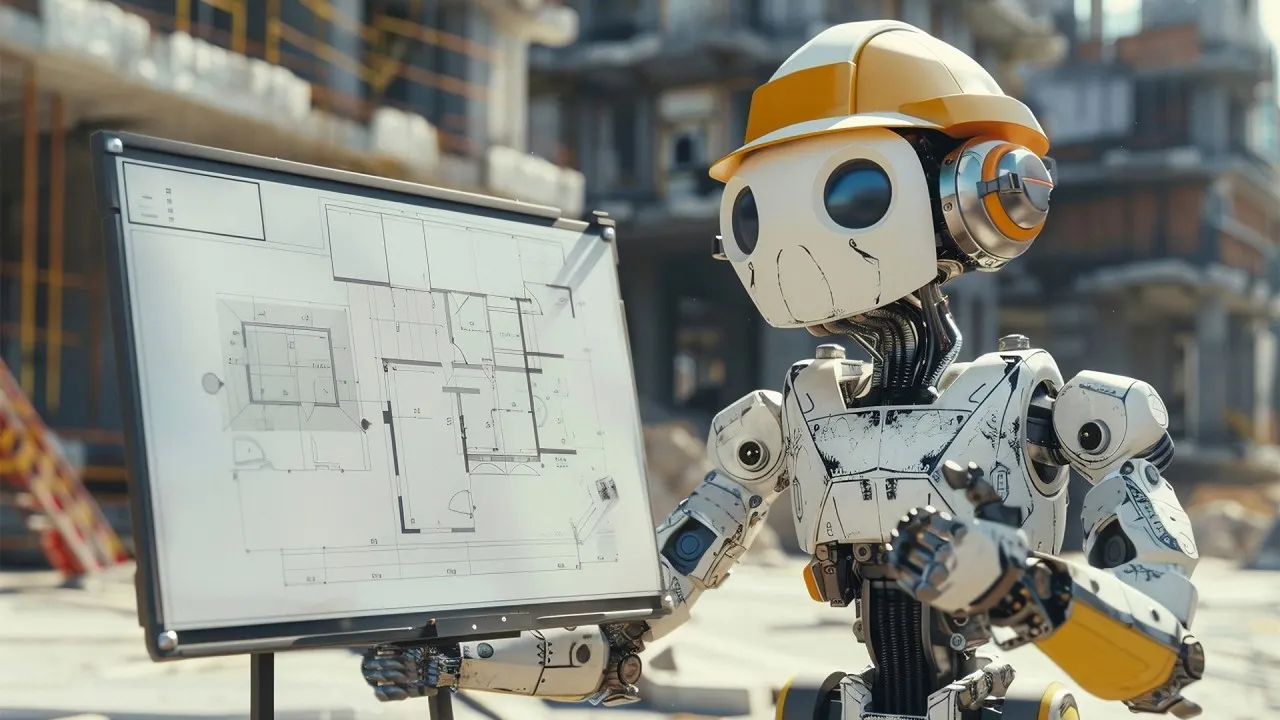

The construction sector has been facing pressing issues, such as an ageing workforce and labour migration, leading to delays, and increased expenses at construction sites. At the cusp of integrating AI in almost everything we do, MYRO, an automated wall painting robot, is set to revolutionise the painting process: a labour-intensive task done and dusted quickly by a wall painting robot. This isn’t just about automation; it’s about smarter, more efficient painting practices. MYRO’s cutting-edge technology, from its precise application to its rapid performance, is not just a solution—it’s a game-changer. Imagine projects staying on schedule, curtailing costs, and a new quality standard being set.
MYRO is offering a tangible solution to the persistent and testing issue of labour shortages. In regions particularly hard-hit by a declining workforce, MYRO and similar robotic innovations can bridge the gap, ensuring that projects are completed on time and within budget.
The role of robots like MYRO in construction painting goes beyond merely filling the void left by a shrinking labour pool. They redefine construction painting work, bringing unparalleled efficiency and consistency. Robots can operate 24/7 without the need for breaks or time off, dramatically enhancing productivity. Their precision in tasks like painting ensures top-notch quality and reduces the need for costly do-overs due to human errors.
Beyond the immediate benefits to painting processes, the adoption of robotics has significant socio-economic implications. In areas facing labour shortages, robotics can bring much-needed stability to the construction painting sector, making it more appealing to investors and clients. Robots can also enhance job site safety by taking on high-risk tasks, thus mitigating the likelihood of work-related injuries.
Moreover, the shift towards construction robotics aligns with the industry’s growing emphasis on sustainability. Robots can optimise the use of materials, cut down waste, and promote eco-friendly construction practices, an increasingly critical consideration in today’s environmentally conscious world.
However, integrating robotics into the construction workforce is not without its challenges. The potential displacement of workers and the need for retraining programs are concerns that the industry must address head-on to ensure a smooth and equitable transition.
At the heart of it, the rise of robotics, showcased by breakthroughs such as MYRO, offer a promising remedy to the construction painting sector’s labour shortages. Robotics is not just about replacing manpower; it’s about redefining efficiency and elevating quality standards. This tech-centric approach is a game-changer in tackling the challenges of changing labour demographics. Navigating towards an automated construction landscape is no small feat, but the potential benefits are enormous - for the industry and the economy at large, the journey towards adopting robotics is not just about adapting; it’s about pioneering a construction future that’s more robust, streamlined, and green.