

The wall painting industry is transforming. Not the distant-future kind that exists only in trade-show demonstrations, but fundamental changes happening right now on residential and commercial job sites. As we move through 2026, some shifts are already reshaping how painting contractors operate, while others are gathering momentum just beyond the horizon.
Technology Is Starting to Show Up on Job Sites
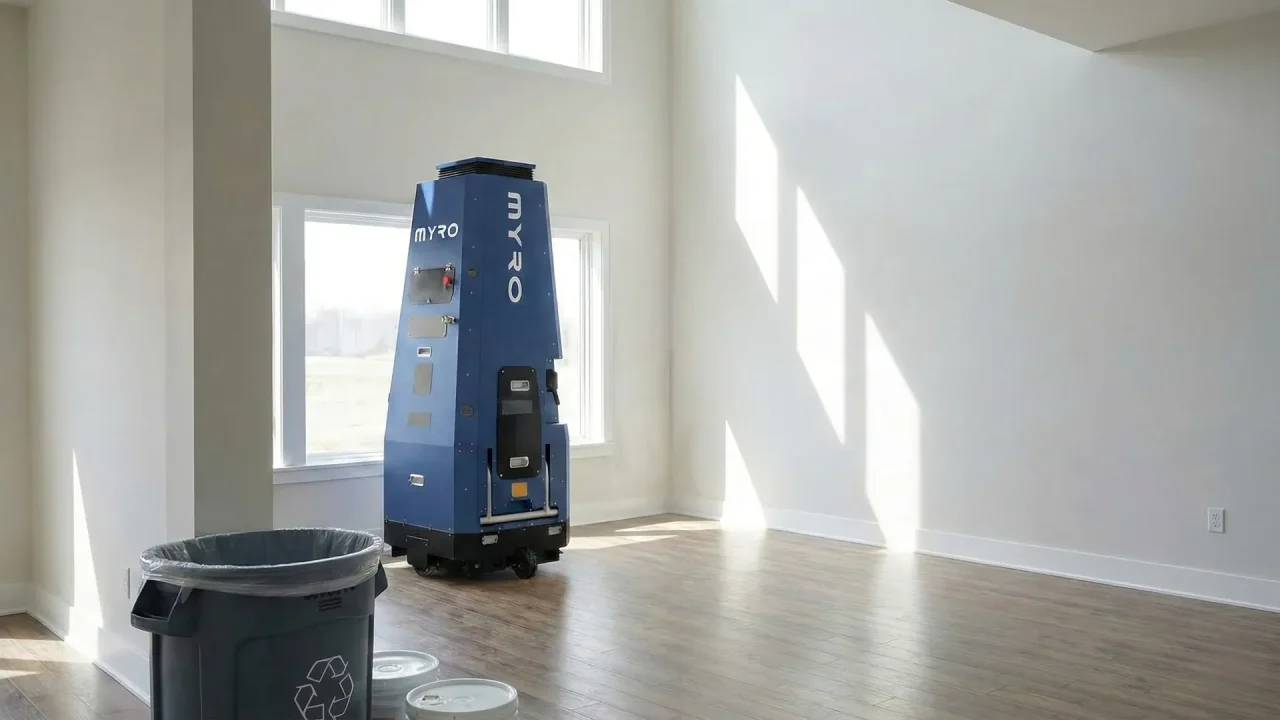
While the painting industry has traditionally been slower to adopt new technology, that’s changing in 2026. Automated systems designed to handle large surface areas are beginning to appear on commercial job sites.
These aren’t systems replacing painters entirely. Instead, they’re tools designed to take on the most physically demanding and repetitive aspects of the work, covering large, flat walls and ceilings. At the same time, painters focus on detail work, cutting in, and problem-solving that requires human judgment.
The value proposition centres on productivity and worker well-being. Automated systems can maintain consistent coverage on large surfaces without fatigue, while reducing the physical strain on workers. Early adopters report that the technology allows them to take on more work with their existing workforce, addressing capacity constraints created by labour shortages.
Various project management tools are also emerging to help contractors optimise scheduling, predict material needs more accurately, and identify potential issues before they impact timelines. Remote monitoring technology allows project managers to stay connected to multiple job sites without constant physical presence.
The Economics Are Shifting
Material costs, while stabilised from the dramatic inflation of recent years, remain elevated compared to historical levels. Labour costs continue rising faster than in many other industries. Project timelines have become more conservative as contractors build in buffer time for labour availability and material delivery uncertainties.
The result is that successful painting contractors in 2026 are operating with more sophisticated financial planning. Understanding actual costs, maintaining healthy cash reserves, and pricing work accurately have moved from nice-to-haves to necessities for business survival.
Sustainability Is Becoming Standard
Environmental considerations have shifted from optional to expected, particularly in commercial work. Low-VOC and zero-VOC paints have moved from speciality products to standard options that clients increasingly request or require.
Eco-friendly painting practices, including better waste management, more efficient paint usage, and reduced reliance on harsh chemicals, are becoming baseline expectations rather than premium services. The painting industry has also seen growth in water-based and natural-material coatings that provide quality finishes while reducing environmental impact.
Preparing for the Road Ahead
Looking at the trajectory of changes already underway, several preparations make sense for painting contractors planning beyond 2026.
Workforce investment is critical. With labour shortages intensifying, contractors who create appealing work environments and develop their people will have decisive advantages. This means more than competitive wages; it means career development paths, safe working conditions, and thoughtful use of technology to reduce physical strain.
Technology deserves strategic attention. The painting contractors who will thrive aren’t those who buy every new tool, but those who thoughtfully evaluate which technologies solve real problems in their business. Whether that’s robotic systems for extensive surface work, project management software, or estimation tools, the key is matching the solution to the specific challenge.
Business fundamentals matter more than ever. In an environment of persistent labour challenges and elevated costs, contractors who succeed will be those who manage their finances carefully, price their work accurately, and maintain the discipline to take on projects they can complete profitably.
Adaptability beats prediction. The painting industry continues to evolve in response to labour availability, client expectations, and technological advancements. Rather than trying to predict every change, successful contractors build businesses that can adapt as conditions shift.
The Labour Reality Hasn’t Gotten Easier
The painting industry needed to attract millions of new workers in 2026. Within construction trades, painting faces some of the most persistent workforce challenges.
The physical demands of wall painting, extended periods with arms raised, repetitive motions, and exposure to fumes make recruitment challenging, especially among younger workers. By 2031, 41% of the construction workforce is expected to retire, while only 10% of current workers are under 25.
Wages have responded to the shortage. Construction wages overall grew 4.2% year-over-year by August 2025. Many painting business owners report that wages now comprise more than 35% of their company expenses as they pay higher salaries to retain experienced painters, project managers, and estimators.
Seven out of eight construction firms raised base pay as much or more than they did the previous year, and 42% increased spending on training programs. Painting contractors are adapting by investing in workforce development, becoming more selective about projects they pursue, and creating better work environments to retain their teams.
Moving Forward
The wall painting industry in 2026 looks meaningfully different from what it did just a few years ago. Labour challenges have reshaped how contractors operate. Technology has moved from irrelevant to increasingly relevant for firms working at scale. Client expectations around environmental practices have evolved.
The painting contractors thriving through this transformation aren’t those trying to resist change or predict the future perfectly. They’re the ones paying attention to what’s actually happening in their market, adapting their operations thoughtfully, and investing in solutions to real problems they face today.
The question for any painting contractor in 2026 isn’t whether the industry is changing; that’s already settled. The question is whether you’re preparing for the changes that are clearly on the way.