
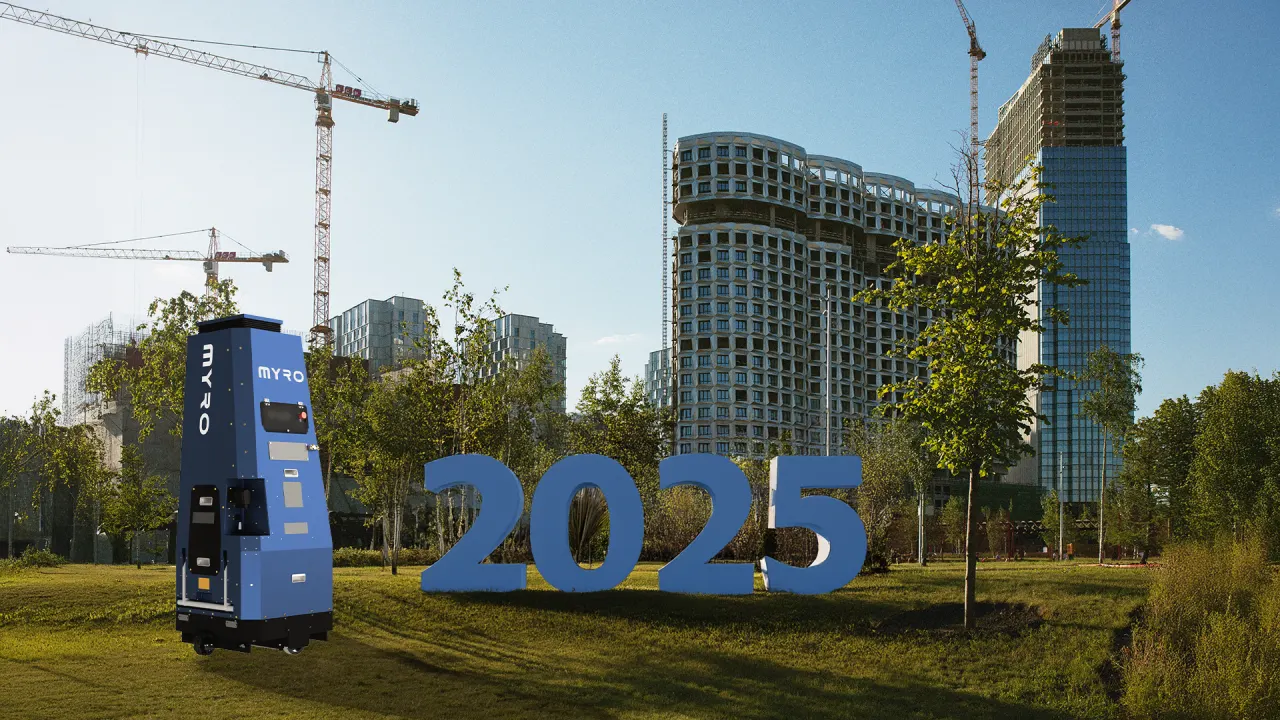

Welcome to 2025! With the spotlight on eco-conscious living, the construction industry is actively adopting sustainable solutions to go green. But why is this shift so crucial?
A Dodge Construction Network report highlights that over 90% of U.S. engineering and construction companies are under client pressure to reduce embodied carbon in projects, as the sector contributes to 40% of water pollution and generates half of all landfill waste. This shift pushes the industry to prioritize renewable energy, minimize resource use, and adopt low-carbon materials. Sustainability is no longer optional, it has become a vital driver of change in the construction sector.
Here’s how we’re achieving the 2025 sustainability vision.
1. The Urgency of Sustainable Construction
Sustainable construction goes beyond environmental benefits—it’s essential for meeting regulatory standards in today’s times, enhancing operational efficiency, and aligning with global climate goals. Traditional construction methods leave a significant environmental footprint, prompting stakeholders to adopt eco-friendly practices that reduce water pollution, minimize waste, and leverage renewable energy solutions.
2. Reducing Carbon Footprint
Key players in the industry are turning to green materials, energy-efficient systems, and carbon-offset technologies. In reaching this goal, Robots like MYRO stand out by offering precise application of materials, drastically cutting down on paint waste, and promoting eco-friendly coatings. Automation ensures a consistent application, reducing emissions tied to manual labor inefficiencies.
3. Conserving Resources
Sustainability goes beyond reducing emissions—it’s about smarter resource utilization. From digital project planning to real-time monitoring, technology is reshaping how resources are consumed. MYRO’s innovative design allows operators to optimize paint application, minimizing excess use.
4. Technological Innovations Driving Sustainability
Technology plays a pivotal role in advancing sustainable construction. Here’s how:
- Building Information Modeling (BIM): By enabling detailed project planning, BIM reduces errors and resource wastage, ensuring projects are completed sustainably.
- Green Certifications: Standards like LEED and BREEAM validate eco-conscious practices, making sustainability measurable.
- Smart Technologies: MYRO integrates Automation and IoT sensors, providing data-driven insights to optimize energy use and detect inefficiencies.
Challenges to Sustainable Construction
Despite advancements, hurdles like upfront costs, skill gaps, and regulatory complexities remain. Robots like MYRO alleviate some of these challenges by offering cost-efficient automation and easy-to-use interfaces, reducing reliance on skilled manual labor.
MYRO: The Face of Sustainable Innovation in Construction
MYRO isn’t just a robot; it’s a leap toward a greener future. With features like automated paint application, reduced material wastage, and 24/7 reliable operation, MYRO embodies sustainability. Its user-friendly design, paired with cutting-edge AI, ensures both efficiency and minimal environmental impact.
Whether you’re a contractor aiming to meet tight deadlines or looking to showcase environmental responsibility, MYRO delivers on all fronts.
Conclusion
The shift towards sustainability in construction in 2025 is both inevitable and absolutely necessary. As the construction industry gracefully embraces this change, MYRO is positioned to lead the charge with innovative technology and a commitment to reducing environmental impact.
Let’s build smarter, greener, and better—together. Team up with MYRO today for a more sustainable tomorrow!