

In the construction and renovation sectors, selecting the correct paint for different wall types is crucial for ensuring longevity and effectiveness. This guide explores the technical aspects of paints used in industrial and home settings, emphasizing the importance of meeting Wet Film Thickness (WFT) and Dry Film Thickness (DFT) standards, critical for achieving durable and protective coatings.
So what is the difference between industrial Paints and home paints?
Industrial Paints are engineered for resilience, tailored to withstand the rigorous conditions of industrial environments. These include epoxy, urethane, and acrylic paints, known for their chemical and abrasion resistance. Such paints are essential in areas exposed to harsh chemicals, heavy machinery, or extreme temperatures, making them ideal for factories, warehouses, and processing plants.
Home Paints focus more on aesthetic qualities and environmental safety. Varieties such as latex and emulsion are popular due to their lower VOC content and ease of use. These paints are suitable for living spaces, offering various finishes like matte, satin, and semi-gloss, each providing different levels of sheen and washability.
Technical Considerations: WFT and DFT Standards
Understanding the technical specifications like Wet Film Thickness (WFT) and Dry Film Thickness (DFT) is vital for paint application. WFT refers to the thickness of the paint film immediately after application, while DFT measures the thickness after the paint has dried. Proper adherence to these standards ensures optimal performance of the coating, including its durability and resistance to elements.
For industrial applications, achieving the correct DFT is crucial for the paint’s protective qualities, especially in corrosion prevention. Each paint type will have specified DFT standards that must be met to ensure the longevity and functionality of the coating. Tools like wet film gauges and dry film thickness meters are often used to achieve these measurements accurately.
Paint Application Methods: From Brush to Robot
The paint application can range from manual methods like brushes and rollers to more sophisticated techniques such as spray systems and automated robots. Spray applications are common in both residential and industrial settings, providing a uniform coat over large areas efficiently.
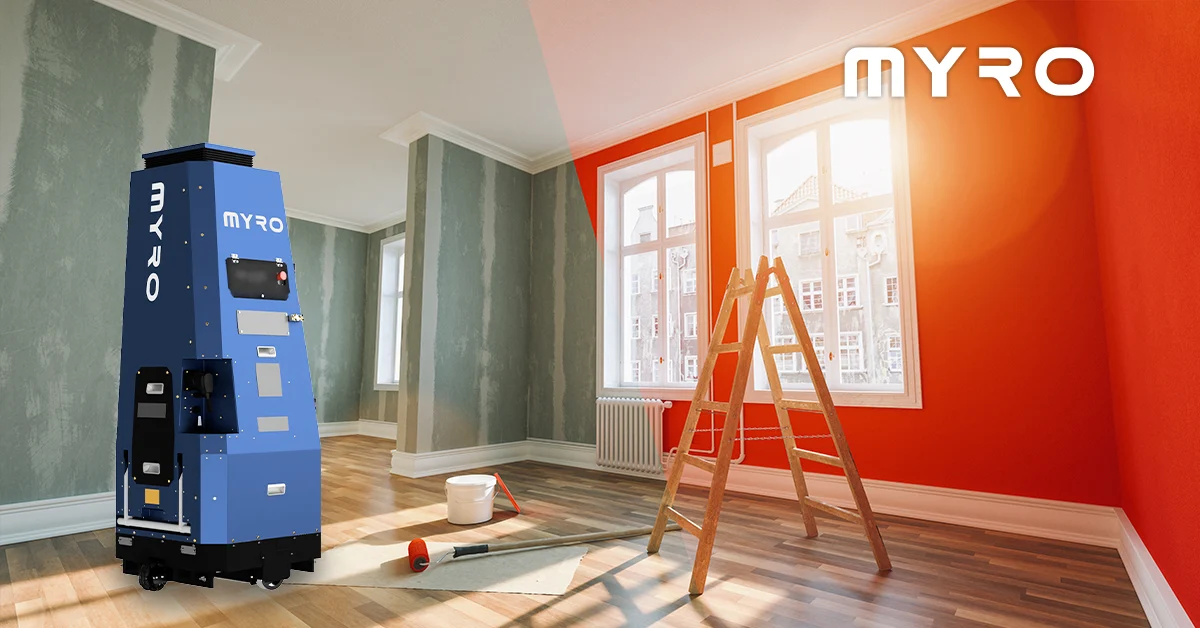
Integrating technology in traditional painting methods, MYRO offers a sophisticated approach to applying coatings. MYRO’s automated system ensures consistent WFT and DFT compliance, promoting efficiency and reducing material waste. This method not only accelerates the painting process but also enhances the quality of the application, providing a sleek, uniform finish that meets professional standards.
So, to sum it up
Choosing the right type of paint and application method is essential, whether for home décor or industrial protection. By understanding the distinctions between paint types and adhering to technical standards like WFT and DFT, you can ensure that your painting project is successful. Technologies like MYRO not only streamline the painting process but also uphold the highest quality standards, making it an excellent option for achieving professional-grade results in various painting projects.
For professionals in the industry, maintaining up-to-date knowledge of these standards and the technologies available can significantly impact the quality and efficiency of their work, ensuring that every paint job from home interiors to industrial exteriors is performed to the highest standards.